x
K
E
Y
S
T
O
N
E


How GPI Through Conduit Expanding Gate Valves Improve Oil and Gas Flow
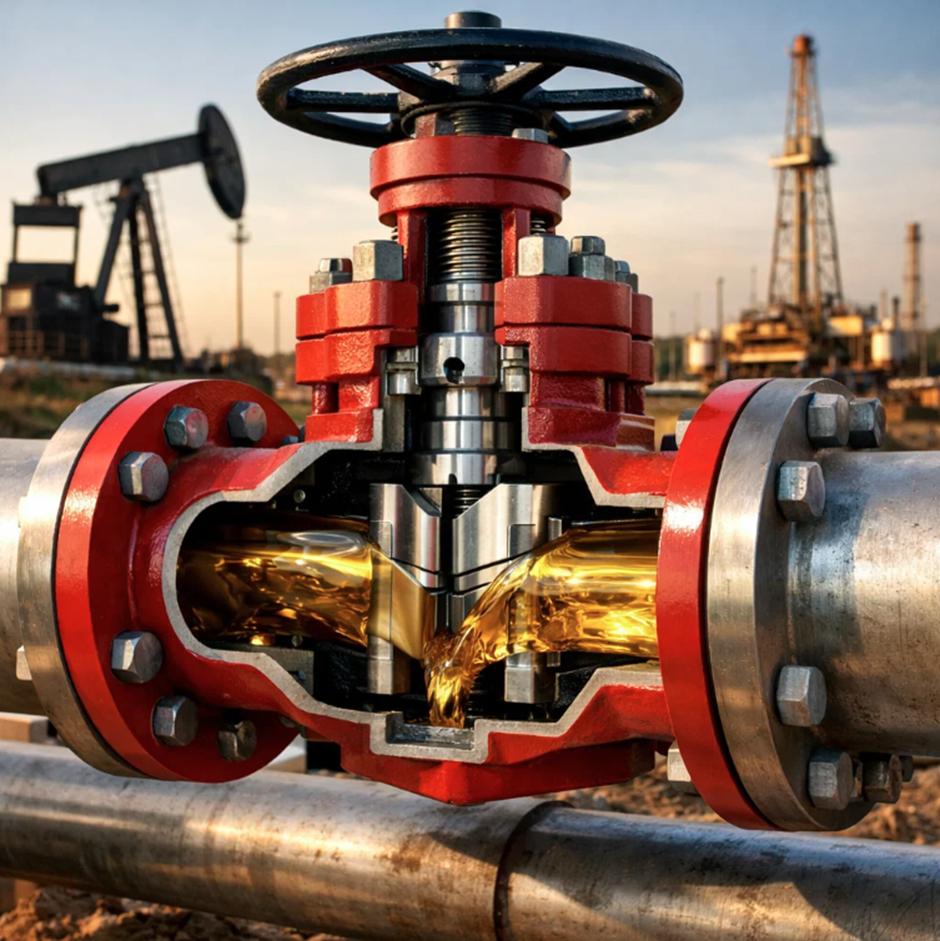
Have you ever thought about how oil and gas move safely through long pipelines and plants? It all depends on smart valve design.
One important solution is GPI through conduit expanding gate valves, which help control flow, stop leaks, and protect machines. These valves are built for tough work where pressure, heat, and safety matter every day.
Modern oil and gas sites use special valves to keep systems clean, safe, and working without trouble. Each valve type has a clear job and helps the whole system stay strong.
Why High Quality Valves Matter in Energy Systems?
Valves guide the flow of gas and liquids. If the wrong valve is used, it can cause leaks, slow flow, or even damage.
- Smooth flow of gas and liquids
- Safe shut off during repairs
- Protection from pressure build up
- Longer system life
Using the right valve saves time, money, and keeps people safe.
Understanding Key Valve Types and Their Uses
| Valve Type | Main Use | Benefit |
|---|---|---|
| GPI through conduit expanding gate valves | Full flow control | Tight seal and no trapped pressure |
| Keystone microfinish ball valves | Clean flow paths | Low wear and smooth movement |
| Omni DIB/DBB expanding plug valves | Double block safety | Stops leaks from both sides |
| API 6D 4-way diverter valve | Flow redirection | Switches flow without stopping systems |
Each type supports safe flow control in a different way.
How These Valves Improve Safety and Performance?
GPI through conduit expanding gate valves are great for high pressure lines. They create a full bore opening so the flow is smooth and clean, lowering internal wear.
Keystone microfinish ball valves have very smooth surfaces, reducing friction and increasing lifespan.
Omni DIB/DBB expanding plug valves give double sealing protection, stopping leaks from both ends.
API 6D 4-way diverter valves help move flow from one line to another without shutting down the system.
Together, these valves keep systems safe and steady.
How Proper Valve Choice Saves Time and Cost?
- Fewer repairs
- Less system downtime
- Lower risk of leaks
- Longer service life
Plants that choose the correct valve at the start avoid big problems later.
Experience That Supports Better Valve Selection
At Keystone Valve Supply, every solution is shaped by over 35 years of combined experience in the oil and gas industry. This hands-on experience helps teams choose the right valve for each job.
This expertise supports better safety, smoother flow, and stronger results for every project.
How These Valves Work Together in One System?
In a real plant, no valve works alone. A pipeline may use GPI through conduit expanding gate valves for main flow control. Keystone microfinish ball valves guide clean flow into sensitive areas.
Omni DIB/DBB expanding plug valves add extra sealing protection, while an API 6D 4-way diverter valve shifts flow when needed.
This layered setup keeps systems strong and flexible.
Ending Thoughts
Smart valve design is the base of safe oil and gas systems. From GPI through conduit expanding gate valves to GPI rising stem ball valves for molecular sieve service, each valve supports flow, safety, and long life.
If you want help choosing the right valve mix for your project, Keystone Valve Supply is ready to help. Reach out today and build a system that works better from day one.
FAQs
1. What is the main job of expanding gate valves?
They control flow and provide a tight seal to prevent leaks and pressure damage.
They control flow and provide a tight seal to prevent leaks and pressure damage.
2. Why are microfinish ball valves useful?
Their smooth inner parts reduce wear and improve long-term performance.
Their smooth inner parts reduce wear and improve long-term performance.
3. What does double block and bleed mean?
It allows the valve to block flow from both sides and release trapped pressure for safety.
It allows the valve to block flow from both sides and release trapped pressure for safety.
4. Why are diverter valves important?
They change flow direction without stopping operations.
They change flow direction without stopping operations.
5. How does experience help with valve choice?
Experience ensures the right valve is selected to improve safety, reduce cost, and extend system life.
Experience ensures the right valve is selected to improve safety, reduce cost, and extend system life.