

Floating Ball Valves
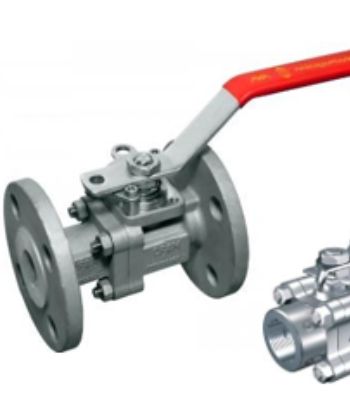
Floating Ball Valves
- NPS ¼” – 10”
- ISO 15848-1 API 641 Low Emissions
- ANSI 150 – 2500
- Flanged, SW & NPT
- API 598/API 6D
High Quality Floating Ball Valves for Industrial Systems at Keystone Valve Supply
Floating ball valves are a crucial component in various industries, known for their ability to control the flow of liquids or gases efficiently. Unlike other types of valves, floating ball valves use a ball that "floats" within the valve body, making them highly versatile and reliable in managing different pressures and flow rates.
Keystone Valve Supply is proud to offer a range of high-quality floating ball valves for industrial applications. As a leading manufacturer's representative, we supply top-tier floating ball valve products, ensuring performance, longevity, and safety across all installations.
The Basics of Floating Ball Valves: How Do They Work?
A floating ball valve consists of a ball with a hole in the center that rotates within the valve body. When the valve is open, the ball allows fluids or gases to pass through the hole. The floating mechanism allows the ball to shift slightly to seal off the flow when closed, preventing leaks.
This unique design ensures that the ball is always in contact with the valve seat, enhancing sealing performance and reducing the chances of leakage even under varying pressures.
Key Applications of Floating Ball Valves
- Oil and Gas Industry: Used for pipeline control and regulating pressure in fluid transport.
- Chemical Processing: Floating ball valves help maintain precise fluid flow and prevent contamination.
- Water Treatment: Ideal for controlling the flow of water or chemicals in treatment plants.
- HVAC Systems: Floating ball valves play a significant role in regulating the flow of air and gases.
Why Choose Floating Ball Valves? Key Benefits
1. Reliable Performance:
Floating ball valves provide excellent sealing capabilities, preventing leaks even in high-pressure applications. This makes them a dependable choice for critical systems in various sectors.
2. Versatility:
Available in different sizes (NPS ¼” – 10”) and pressure ratings (ANSI 150 – 2500), Full Bore and Reduced Bore floating ball valves are adaptable for a variety of industries, from small residential setups to large-scale industrial operations.
3. Low Emission Options:
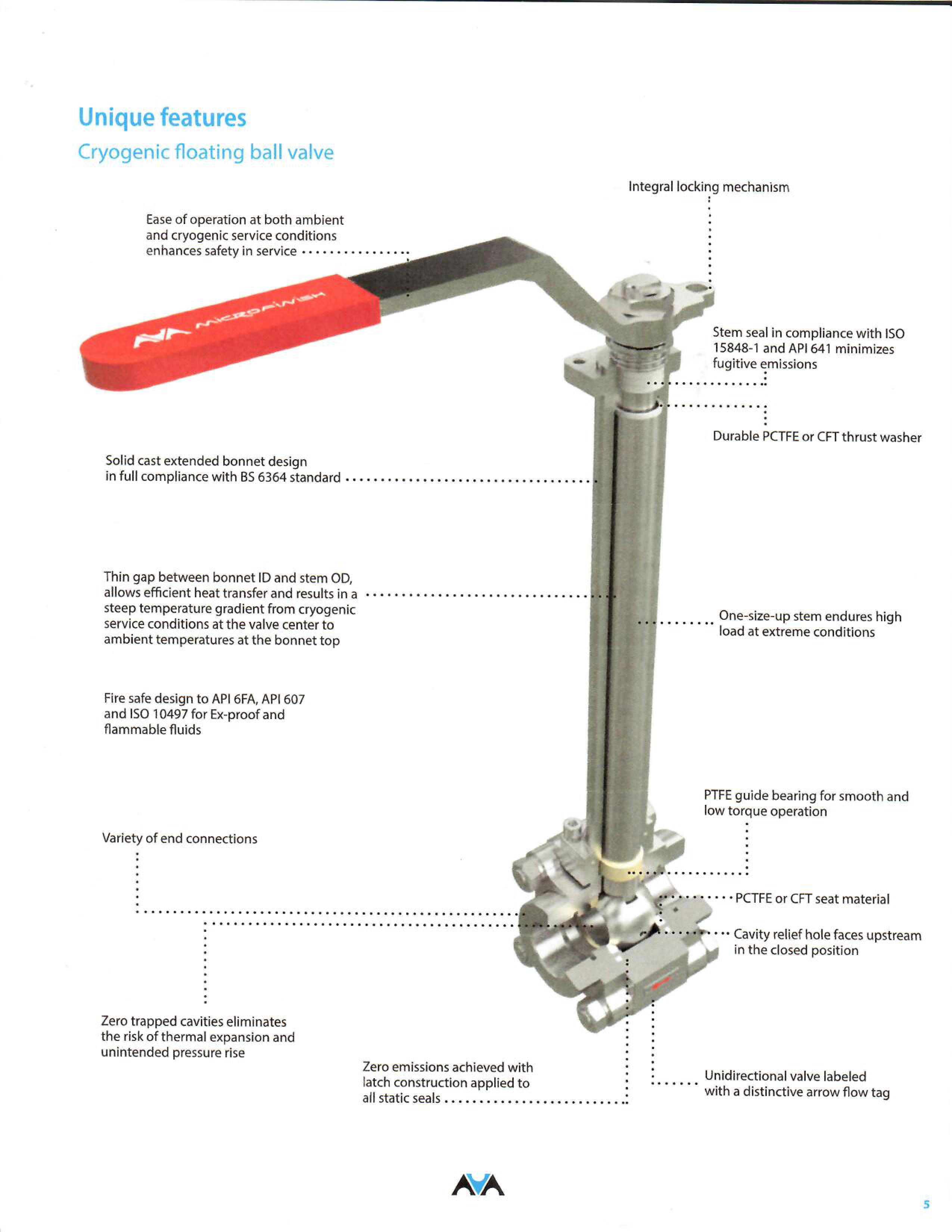
Our floating ball valves meet high industry standards, including ISO 15848-1 and API 641 for low emissions, ensuring minimal environmental impact and compliance with regulatory requirements.
4. Ease of Maintenance:
Floating ball valves are designed for easy maintenance. The simple mechanism allows for quick inspection and servicing, reducing downtime and operational costs.
Types of Floating Ball Valves Offered by Keystone Valve Supply
At Keystone Valve Supply, we provide a wide range of floating ball valve configurations to meet the diverse needs of our clients.
- Flanged Floating Ball Valves: For easy installation and reliable sealing.
- Screw-Welded Floating Ball Valves: Providing robust and leak-proof solutions.
- NPT Floating Ball Valves: Ideal for threaded connections and leak-free performance in lower-pressure applications.
All of our floating ball valves are certified by industry standards like API 598/API 6D and backed by a 3-year standard warranty, ensuring durability and performance. Whether you need valves for high-pressure gas lines or chemical systems, our offerings are built to last.
Take out Table below
| Valve Type | End Connection Type | Typical Pressure Range | Best For | Key Advantage |
|---|---|---|---|---|
| Flanged Floating Ball Valve | Flanged ends | ANSI 150 to 2500 | High pressure industrial pipelines | Easy installation and strong sealing integrity |
| Screw Welded Floating Ball Valve | Socket weld or butt weld | ANSI 150 to 1500 | Permanent high integrity systems | Leak resistant welded connection |
| NPT Floating Ball Valve | Threaded NPT | Low to medium pressure | Compact systems and smaller lines | Simple installation and cost effective solution |
| Stainless Steel Floating Ball Valve | Flanged, SW, or NPT | ANSI 150 to 2500 | Corrosive and chemical environments | Superior corrosion resistance |
| Carbon Steel Floating Ball Valve | Flanged or welded | ANSI 150 to 1500 | Oil and gas and general industrial use | High strength and economical |
| Special Alloy Floating Ball Valve | Custom configurations | Application specific | Extreme temperature or aggressive media | Enhanced durability in severe service |
Floating Ball Valve Materials and Design
Floating ball valves come in a variety of materials, depending on the application. Common materials include:
- Stainless Steel: Ideal for corrosive environments, offering strength and corrosion resistance.
- Carbon Steel: Often used in less aggressive environments for a cost-effective option.
- Special Alloys: Designed for handling extreme temperatures or aggressive chemicals.
Each material selection guarantees optimal performance, ensuring the valve works effectively even in harsh operating conditions.
Your Trusted Partner in Valve Solutions!
At Keystone Valve Supply, we take pride in offering high-quality floating ball valves designed for durability, efficiency, and reliability. As a trusted manufacturer's representative, we work with leading valve manufacturers to provide a wide variety of floating ball valves that meet industry standards like API 598 and API 6D.
If you're dealing with low or high-pressure systems, our floating ball valves are engineered to deliver reliable performance, minimal leakage, and easy maintenance.
If you're looking for superior floating ball valves for your industrial needs, Keystone Valve Supply is your go-to partner.
FAQs
1. What is the difference between a floating ball valve and a trunnion ball valve?
A floating ball valve has a ball that floats and seals against the seat, while a trunnion ball valve has a ball fixed in place, making it ideal for higher pressure applications.
2. How do floating ball valves prevent leakage?
The floating mechanism ensures that the ball remains in contact with the valve seat, offering superior sealing even under high-pressure conditions.
3. Can floating ball valves be used in gas applications?
Yes, floating ball valves are suitable for both liquid and gas applications, making them versatile for various industries.
4. What materials are floating ball valves available in?
They come in materials like stainless steel, carbon steel, and special alloys, each suitable for different industrial needs.
5. Are floating ball valves easy to maintain?
Yes, their simple design allows for easy maintenance and quick servicing to minimize downtime.
6. What are the typical pressure ratings for floating ball valves?
Keystone offers valves with ANSI pressure ratings ranging from 150 to 2500, catering to a wide range of applications.
7. What sizes do floating ball valves come in?
They are available in sizes from NPS ¼” to 10”, allowing flexibility for different industrial applications.
8. How can I ensure that my floating ball valve meets emission standards?
Keystone Valve Supply offers floating ball valves that comply with ISO 15848-1 and API 641 low-emission standards, ensuring minimal environmental impact.
9. Can floating ball valves be used for high-temperature applications?
Yes, with the right material selection, floating ball valves can operate effectively in high-temperature environments.
10. Are floating ball valves compatible with all piping systems?
Keystone’s floating ball valves are available in different end connections, including flanged, SW, and NPT, making them compatible with most piping systems.