x
K
E
Y
S
T
O
N
E


Critical Valve Solutions That Keep Gas Processing Systems Safe and Flowing
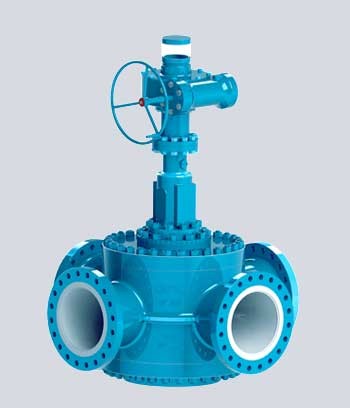
Gas processing plants handle high pressure, constant flow, and tough working conditions every day. To keep these systems running smoothly, the right valve choices matter more than most people realize. Valves control flow, protect equipment, and support safety across every stage of gas handling. This technically advanced yet easy to read blog explains how modern valve solutions support safe and reliable gas processing without using complex language.
The Role of Valves in Gas Processing
In gas facilities, valves guide natural gas through dehydration units, pipelines, and control points. Each valve must open and close at the right time while holding pressure and preventing leaks. Even a small valve failure can slow production or create safety concerns.
Gas dehydration valves are a key part of this system. These valves manage gas flow through dehydration units where moisture is removed. Moisture must be controlled to stop corrosion, freezing, and equipment damage. Valves used here need tight sealing and steady performance over long periods.
Built for Pressure, Heat, and Constant Use
Gas processing valves are built to handle extreme conditions. High pressure, temperature changes, and nonstop movement can wear down weak components. That is why valve design, materials, and sealing method are so important.
Strong valve bodies, quality seals, and proven designs reduce the risk of failure. Valves used in gas systems must also meet strict industry standards for safety and performance. A well designed valve lasts longer and helps reduce repair downtime.
Keystone Rising Stem Ball Valves Explained
The Keystone rising stem ball valve is designed for clear and safe operation. As the stem moves up or down, operators can see if the valve is open or closed. This visual control helps prevent mistakes during operation or maintenance.
These valves also provide strong shutoff and smooth flow control. Rising stem ball valves work well in gas processing areas where clear valve position and tight sealing are required.
Expanding Gate Valves and Leak Prevention
The expanding gate valve is known for its strong sealing ability. When closed, the gate expands against the valve body, creating a tight seal on both sides. This helps stop leaks even during pressure changes.
Expanding gate valves are often used in pipeline systems that need full flow and low resistance. Their design supports long service life and stable performance in demanding gas operations.
How Valves Support System Safety?
Valves help protect workers and equipment by controlling pressure and flow. In gas plants, proper valve selection reduces the risk of sudden pressure release or gas loss. Safety systems depend on valves that respond quickly and seal correctly.
Routine checks and proper valve matching also lower the chance of system shutdowns. When valves are selected based on real operating needs, plants run more smoothly and safely.
Dehydration Systems and Switching Control
Gas dehydration units often use multiple beds to remove moisture. Molecular sieve switching valves control the flow between these beds during operation. These valves must shift flow smoothly to avoid pressure drops or moisture carryover.
When matched correctly with gas dehydration valves, switching valves help keep dehydration cycles steady. This combination supports continuous gas processing without stopping production.
Valve Selection Summary Table
| Valve Type | Primary Function | Key Benefit |
|---|---|---|
| Gas dehydration valves | Control flow during moisture removal | Protects equipment from moisture damage |
| Keystone rising stem ball valve | Visual open and close control | Improves safety and operator awareness |
| Expanding gate valve | Full bore sealing | Reduces leaks in high pressure lines |
| Molecular sieve switching valves | Direct flow between dehydration beds | Supports steady dehydration cycles |
Proven Industry Experience
With over 35 years of combined experience in the oil and gas industry, Keystone Valve Supply understands real operating challenges. Each valve solution is selected to meet pressure demands, safety needs, and long term performance goals.
End Summary
Gas processing systems depend on valves that deliver strong sealing, clear control, and reliable operation. Gas dehydration valves protect equipment by removing moisture, while molecular sieve switching valves manage smooth transitions inside dehydration systems. Combined with proven designs like the Keystone rising stem ball valve and expanding gate valve, these components form a dependable flow control setup.
Keystone Valve Supply delivers trusted valve solutions backed by decades of industry knowledge. Connect today to find valve options that support safety, efficiency, and long lasting performance in demanding gas processing environments.
FAQs
What are gas dehydration valves used for?
Gas dehydration valves control flow in systems that remove moisture from natural gas. They help protect pipelines and equipment from rust, freezing, and flow blockages caused by trapped water.
Why is valve selection so important in gas processing?
The right valve design supports safe flow control, reduces leaks, and handles pressure changes. Poor valve choice can lead to downtime, safety risks, and higher repair costs.
How does a Keystone rising stem ball valve help operators?
This valve shows clear open and closed positions through stem movement. Operators can quickly confirm status, which improves safety and reduces errors during daily operation and maintenance.
Where are expanding gate valves commonly used?
Expanding gate valves are often used in gas pipelines that need full flow and strong sealing. They work well in high pressure lines and help prevent leaks over long periods.
How do molecular sieve switching valves support dehydration systems?
These valves manage flow changes between sieve beds during dehydration cycles. They work with gas dehydration valves to keep moisture removal steady and efficient without stopping production.