

Are Your Valves Ready for Hydrogen Blending? Future-Proofing Oil & Gas Infrastructure!
Are Your Valves Ready for Hydrogen Blending? Future-Proofing Oil & Gas Infrastructure!
The global energy market is shifting toward cleaner solutions, and hydrogen is taking a leading role in this transformation. As oil and gas companies move toward hydrogen blending, the reliability and safety of every valve become critical. The API 6D swing check valve is one such essential component, designed to handle demanding conditions across pipelines and processing units. But the question is, are your valves ready for this future?
Hydrogen blending brings new challenges to existing systems. This gas is much lighter and smaller in molecular size than natural gas, making it more likely to leak through even the smallest openings. Traditional valve materials may not perform well under these conditions. That’s why the need for advanced valve designs and materials has become urgent for operators in the oil and gas sector.
Why Hydrogen Blending Needs Smarter Valve Technology?
Hydrogen is not only highly flammable but can also cause embrittlement in metals that aren’t specifically treated to resist it. Valves that have served well for years might suddenly become safety risks once hydrogen enters the mix.
Here’s a simple comparison to help understand why:
| Valve Feature | Traditional Valve Use | Hydrogen-Ready Requirement |
|---|---|---|
| Material Composition | Carbon steel or standard alloys | Hydrogen-resistant alloys or coatings |
| Sealing System | Standard gaskets and elastomers | Tight, leak-proof seals for small molecules |
| Flow Design | Built for hydrocarbon gases | Designed to prevent hydrogen escape or flashback |
| Testing Standards | Basic gas testing | Hydrogen-specific endurance and pressure testing |
Upgrading or selecting the right valve design is not just about compliance; it’s about ensuring uninterrupted operation and long-term reliability.
The Role of API 6D Swing Check Valves in Hydrogen Pipelines
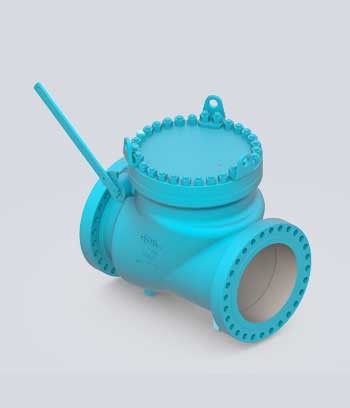
In hydrogen blending systems, backflow prevention is crucial. The API 6D swing check valve provides dependable flow control by automatically preventing reverse flow when the pressure drops. It’s simple yet efficient design uses a swinging disc that opens with the flow and closes instantly when the flow reverses.
Key features include:
- • Full Bore Design: Ensures minimal pressure loss and easy pigging.
- • Tight Sealing: Tight seals prevent costly leaks, protecting both workers and the environment.
- • Durable Construction: Suitable for harsh environments with gas mixtures.
- • Low Maintenance Needs: Keeps operational downtime to a minimum.
These valves are designed for maximum dependability, making them ideal for refineries, gas plants, and pipeline systems preparing for hydrogen integration.
Preparing for a Blended Future
Hydrogen blending is not a distant dream; it’s already being tested and implemented across global energy networks. To adapt, companies must start evaluating their current infrastructure and identify which components need upgrading or replacement.
A good place to begin is with your pipeline valves. Selecting equipment that meets international standards, like those under the API 6D specification, ensures your systems remain compliant and ready for upcoming regulations.
Proper inspection, performance testing, and proactive maintenance are equally vital. Partnering with experienced suppliers who understand both the technical and practical aspects of hydrogen systems can save significant time and cost down the line.
Building a Safer and Smarter Tomorrow!
As industries move toward lower emissions, investing in durable, hydrogen-ready valves is an intelligent step. Advanced NGL natural gas liquids valves play a major role in ensuring safe and efficient gas transportation across modern energy systems.
With over 35 years of combined experience in the Oil and Gas Industry, Keystone Valve Supply is a global solution provider offering a complete range of valve sales and service. From check valves and ball valves to high-performance NGL solutions, the company provides expertise you can trust.
Ready to future-proof your pipelines? Connect with Keystone Valve Supply today to discover advanced valve systems built to handle the energy of tomorrow with safety and reliability!